
Local Government of Bridlington Old Town
Historical Governance
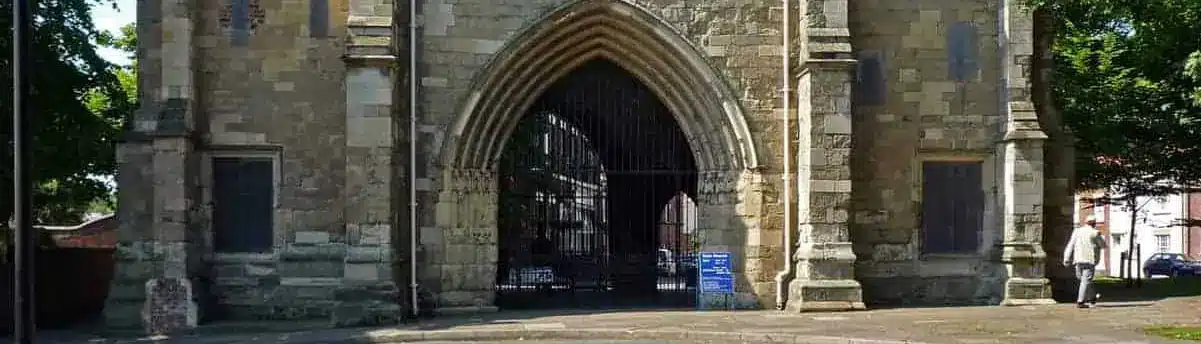
Dive into the fascinating world of the Local Government of Bridlington Old Town, where history and modernity intertwine. The town’s administration has evolved significantly from its early beginnings, closely linked to the Augustinian priory established in 1133 by Walter de Gant. The priory played a central role in the town’s life, not only in religious matters but also in local governance and economic activities.
During the medieval period, the town received several royal charters granting market rights and fairs from various kings. These charters were crucial for the town’s economic development, allowing it to hold markets and fairs that attracted traders and visitors from surrounding areas. The administration of these markets and fairs was an essential aspect of the town’s governance.
Post-Dissolution Era
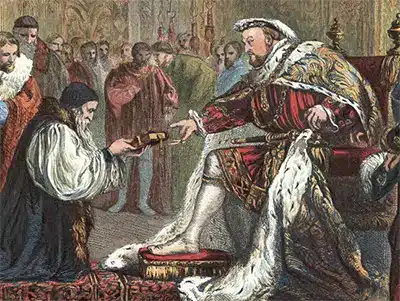
The Dissolution of the Monasteries in the 16th century, initiated by King Henry VIII, marked a significant turning point in the governance of Bridlington Old Town. The priory was dissolved, and its lands and assets were seized by the Crown. However, unlike many other monastic sites, the manor of Bridlington remained with the Crown until 1624.
In 1624, the manor was sold to 13 inhabitants of the town, who became known as the Lords Feoffees. These inhabitants took on the role of local lords, managing the lands and assets that once belonged to the priory. The Lords Feoffees played a crucial role in the town’s administration, overseeing various aspects of local governance and community affairs.
Integration into the Borough of Bridlington
In 1899, Bridlington Old Town became part of the Borough of Bridlington, integrating it into a larger administrative structure. This integration brought new opportunities and challenges, influencing the town’s development and governance.
As part of the Borough of Bridlington, the Old Town was subject to the borough’s administrative framework, which included various local government functions such as planning, public services, and community development. The integration into the borough allowed for more coordinated and efficient governance, benefiting the residents of Bridlington Old Town.
Modern Local Government
Today, Bridlington Old Town falls within the East Riding of Yorkshire unitary authority. The East Riding of Yorkshire Council is responsible for providing various local government services, including education, social services, transportation, planning, and environmental management.
The Old Town is represented by the Bridlington Old Town and Central ward on the town council. The ward councillors play a vital role in representing the interests of the Old Town’s residents, addressing local issues, and ensuring that the community’s needs are met.
Community Involvement
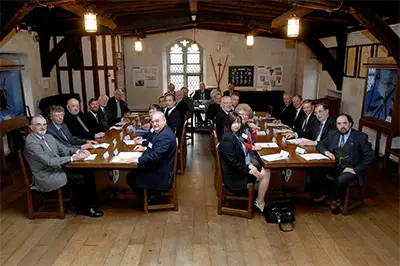
Community involvement is a key aspect of local governance in Bridlington Old Town. Various community groups, organisations, and residents such as the Bridlington Old Town Association actively participate in local decision-making processes, contributing to the town’s development and well-being.
The Lords Feoffees, a historic institution dating back to the post-Dissolution era, continue to play a role in the community. They are involved in various charitable activities, supporting local projects, and preserving the town’s heritage.
Planning and Development
Planning and development are essential functions of local government in Bridlington Old Town. The East Riding of Yorkshire Council oversees planning applications, development projects, and land use policies to ensure sustainable and balanced growth.
The preservation of the Old Town’s historical and architectural heritage is a priority in planning and development decisions. The council works closely with heritage organisations, local historians, and the community to protect and enhance the town’s unique character.
Public Services
The provision of public services is a critical aspect of local government in Bridlington Old Town. The East Riding of Yorkshire Council is responsible for delivering various services, including waste management, public health, transportation, and social services.
The council also manages public amenities such as parks, recreational facilities, and community centers, ensuring that residents have access to essential services and facilities that enhance their quality of life.
Conclusion
The local government of Bridlington Old Town has a rich history and has evolved significantly over the centuries. From its early beginnings linked to the Augustinian priory to its integration into the Borough of Bridlington and the modern East Riding of Yorkshire unitary authority, the town’s governance has adapted to changing times and needs.
Today, Bridlington Old Town benefits from a well-structured local government framework that provides essential services, supports community development, and preserves the town’s unique heritage. The active involvement of the community, historic institutions like the Lords Feoffees, and dedicated local councillors ensure that Bridlington Old Town continues to thrive and maintain its distinctive character.


