

History of Bridlington Old Town
Early Beginnings in the history of Bridlington Old Town
Welcome to the enchanting world of Bridlington Old Town, a place where history whispers from every cobblestone and ancient building. Our journey begins in the year 1133, when the visionary Walter de Gant founded an Augustinian priory dedicated to St. Mary. This wasn’t just any priory; it was the heartbeat of the town, a bustling hub of religious devotion, economic activity, and social gatherings.
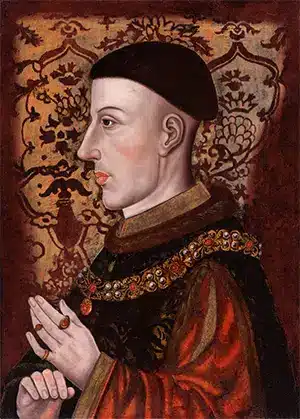
Imagine the excitement as royal charters rolled in, granting market rights and fairs from various kings. These charters were golden tickets that transformed the town into a vibrant marketplace, drawing traders and visitors from far and wide. Picture King Henry V himself, gracing the priory with his presence in 1415 to give thanks for his victory at the Battle of Agincourt. The priory’s influence was far-reaching, shaping the town’s destiny for centuries to come.
The Dissolution of the Monasteries
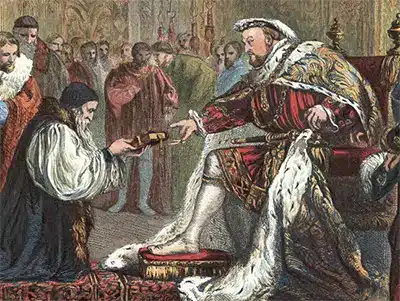
Fast forward to the 16th century, and the winds of change were blowing. King Henry VIII’s Dissolution of the Monasteries shook the very foundations of Bridlington Old Town. The priory was dissolved, its lands and assets seized by the Crown. But unlike many other monastic sites, the manor of Bridlington remained with the Crown until 1624. Then, in a twist of fate, it was sold to 13 enterprising inhabitants who became the Lords Feoffees. These local heroes took on the mantle of lords of the manor, a unique arrangement that has endured through the ages.
Post-Dissolution Era
The post-Dissolution era was a time of transformation. The Lords Feoffees played a pivotal role in the town’s administration, managing the lands and assets that once belonged to the priory.
Bridlington Old Town began its gradual transition from a medieval settlement to a more modern community. The Old Town, nestled about one mile inland from the Quay area, retained its medieval charm and character. Picture narrow, winding streets, historic buildings, and an ambiance that transports you back in time. The contrast between the Old Town and the more recent development of the Quay area highlights the town’s rich historical tapestry.
Modern Developments
As the 19th and 20th centuries unfolded, the history of Bridlington Old Town continued to evolve. In 1899, it became part of the Borough of Bridlington, integrating into a larger administrative structure. This integration brought new opportunities and challenges, shaping the town’s development.
Today, Bridlington Old Town is a vibrant community that celebrates its rich history while embracing modernity. The Old Town’s historical landmarks, such as the Priory Church of St. Mary, attract visitors and historians alike, offering a glimpse into the town’s medieval past. The town’s history is preserved and celebrated through various events, exhibitions, and community initiatives, ensuring that the legacy of Bridlington Old Town continues to inspire future generations.

The history of Bridlington Old Town is a captivating journey through time, marked by significant events, influential figures, and enduring traditions. From its early beginnings around the Augustinian priory to its modern-day status as a cherished historical community, Bridlington Old Town’s story is a testament to its resilience and adaptability. The town’s rich heritage, reflected in its architecture, landmarks, and community spirit, continues to captivate and inspire those who visit and live in this remarkable place.


